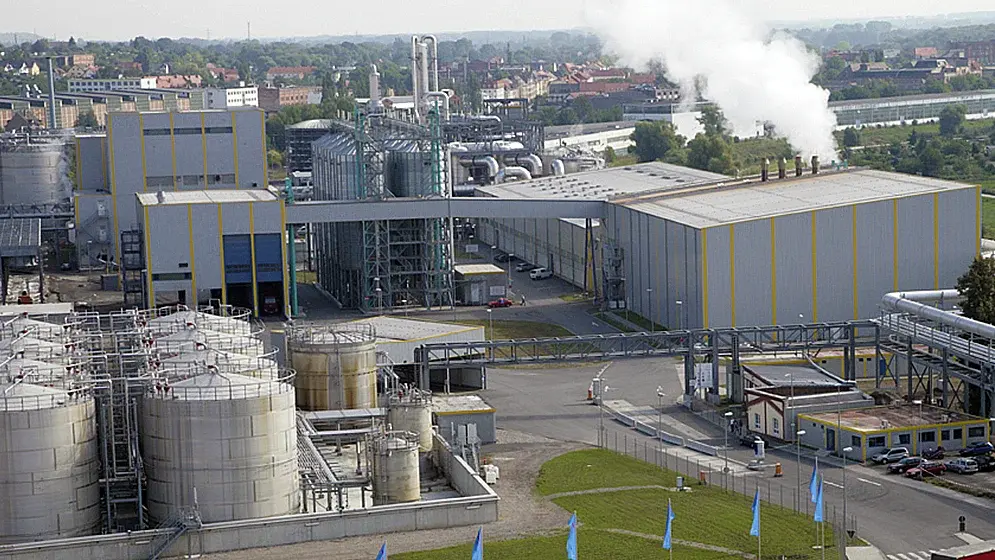
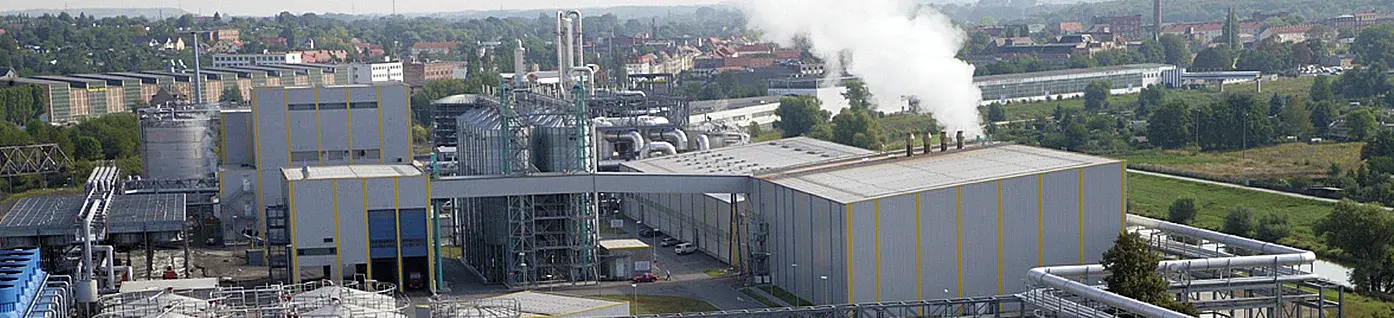
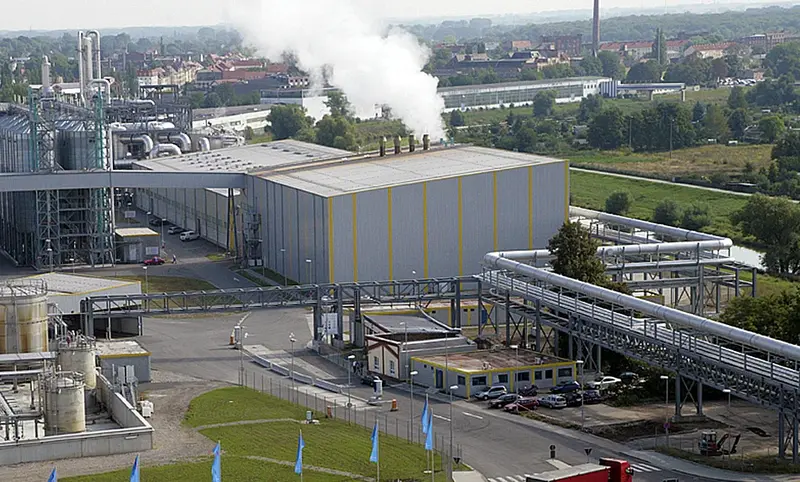
In 1926, five individual companies merged to form Südzucker AG in Mannheim. Today, with around 18,500 employees, the company is Europe’s leading supplier of sugar products and also holds significant market positions in the Special Products, CropEnergies and Fruit segments. In 2011, Südzucker began looking for an interdisciplinary system to document its engineering processes and maintenance activities. The system needed to bring together all engineering disciplines in a clear and structured way – from 2D process engineering diagrams and piping lists to instrumentation and control overview diagrams and detailed electrical engineering. Following extensive analysis, Südzucker chose Engineering Base (EB).

Preserving know-how
The challenge: highly heterogeneous documentation in a wide range of formats and quality levels. Over decades, this documentation had been created at the company’s various internationally distributed production sites using a variety of tools and standards.
“In addition to a lack of binding standards, there was no central repository for the documentation. We wanted to preserve our extensive know-how,” explains Josef Jakob, Project Manager in Südzucker’s central engineering department.
Before EB, information was stored partly in small individual databases and in separately maintained drawing files. The design, process engineering and electrical engineering departments spent considerable time coordinating their work – coordination that is no longer necessary thanks to EB’s central data model.
Unique
“EB’s holistic approach was the most important criterion for us. In addition, the database is completely consistent throughout – that is unique,” says Jakob. EB also fully met the requirements for integrating and reusing legacy graphics and data, as well as supporting collaboration across multiple locations. Further advantages included the platform’s close integration capabilities with all common process control systems and the fact that, as an established solution, it already had proven experience in the process industry.
From the initial idea to the sensor in the field
“Thanks to Citrix technology, we now need just one central installation in the data center, one database and one training program,” reports the Project Manager, who is responsible for the planned implementation across all European plants. “This enables us to establish common standards. And the multilingual capabilities are a major advantage.” He also sees centralized plant maintenance as a particular benefit. “With EB, we cover the entire engineering process – from the initial idea right through to the final sensor in the field!”
Integrations with SAP and 3D systems are set to follow. “EB’s openness makes it ideal for this,” concludes Josef Jakob.